TREES
Watch one tree
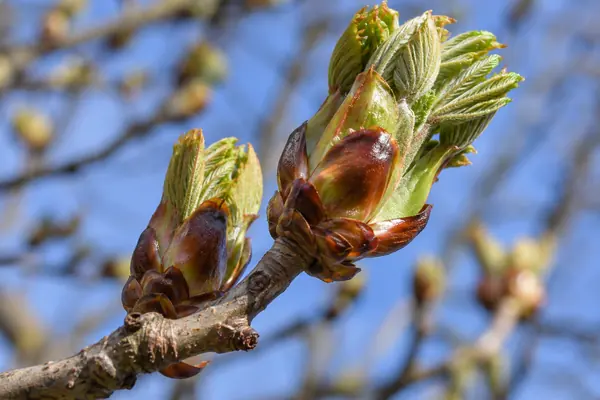
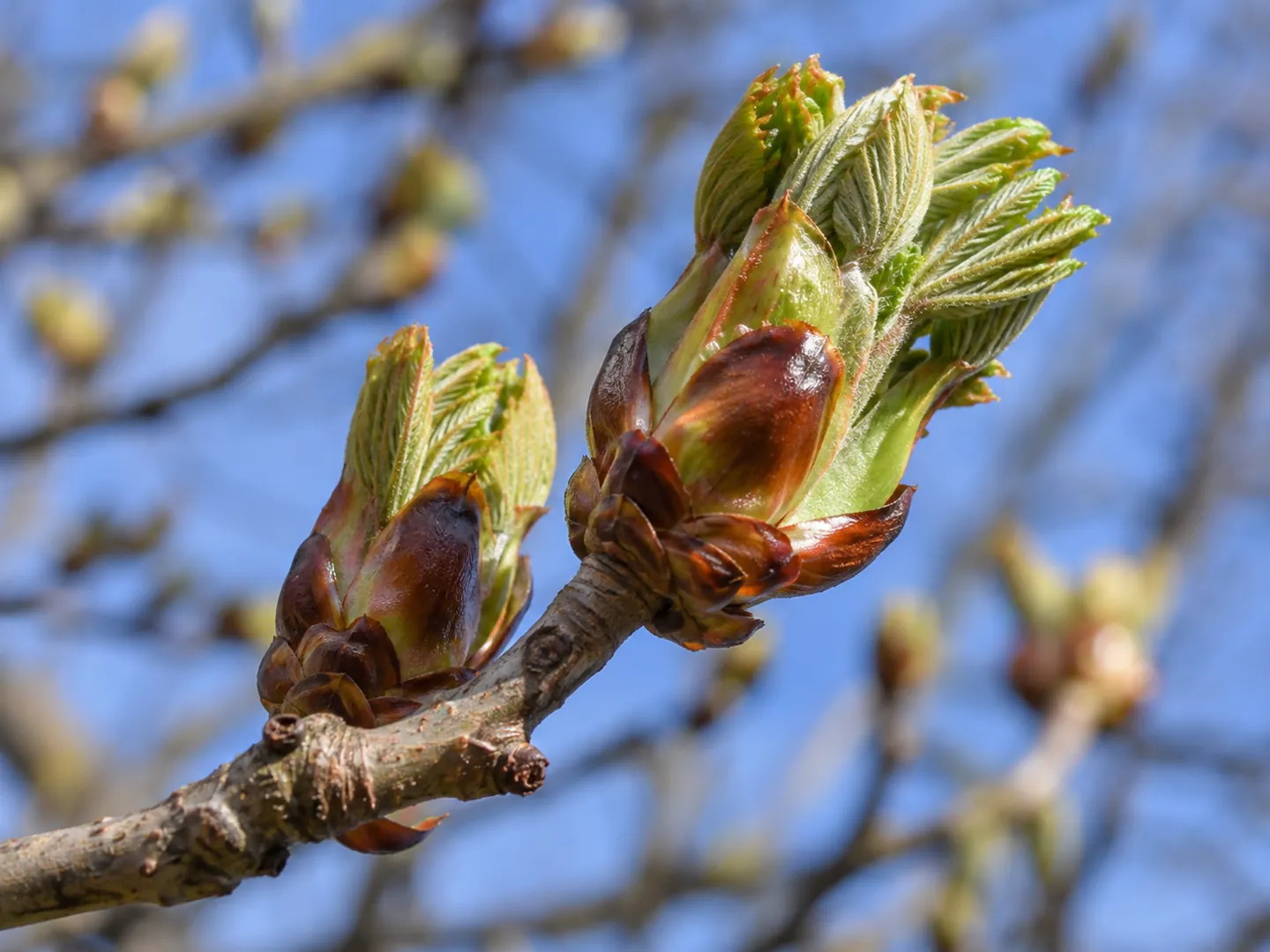
Nature's Calendar suggests a mature tree you pass regularly, checked at least twice a week, logging budburst, first leaf, first flower, tints and leaf fall.
Pick something to watch wherediary

SEASONAL NATURE DIARIES
One date a year, in the same place, matters.
Recording when nature's seasonal events happen is called phenology. Volunteers across the UK note first leaves, flowers, frogspawn and birdsong, adding to a written record that starts in 1736.
SINCE 1736 Britain's seasonal record
Pick something to watchTHE SHORT ANSWER
A nature diary for science is simple:
what you saw, where, and the first date.
TREES
Nature's Calendar suggests a mature tree you pass regularly, checked at least twice a week, logging budburst, first leaf, first flower, tints and leaf fall.
Pick something to watchEARLY SPRING
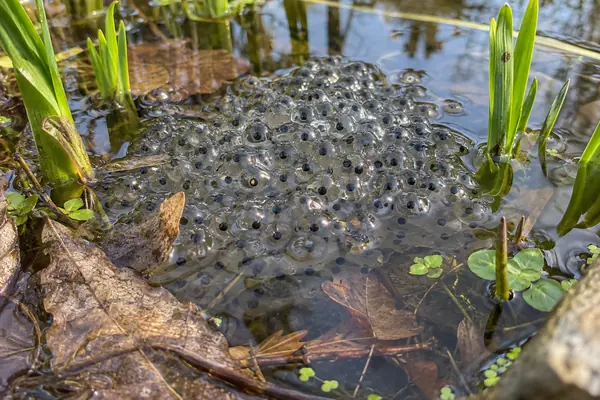
Records from 2024 gave the earliest UK average frogspawn date since the series began in 1999, after a particularly warm February.
See the numbersTHE DIARIES
Robert Marsham recorded his 'Indications of Spring' from 1736. In 1899 there were 155 observers in a national network.
A short history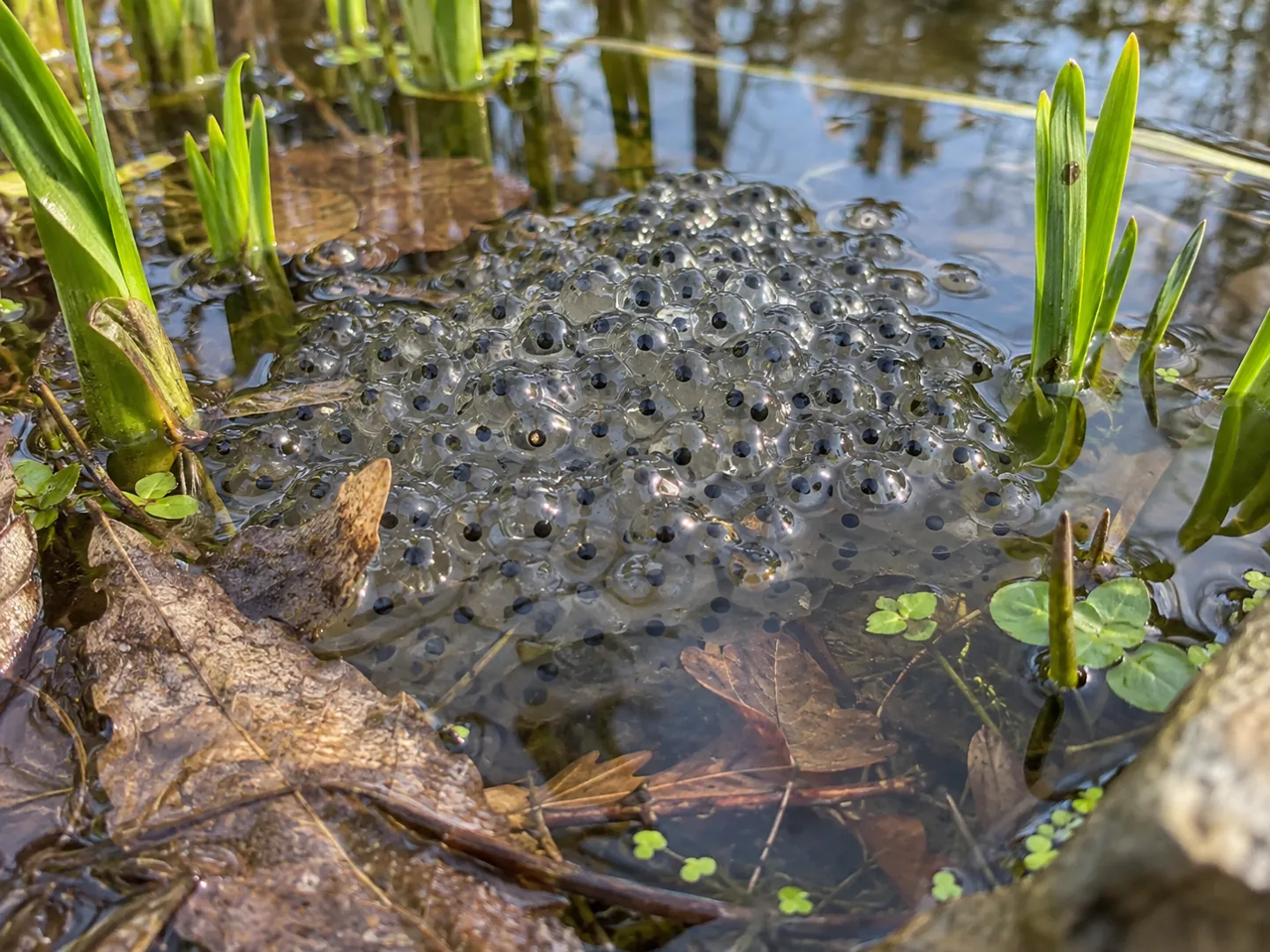
FOUR STEPS TO START
A nature diary for phenology is quick to keep. These steps follow the Nature's Calendar guide.
Pick from the listed trees, shrubs, flowers, insects, birds and amphibians, chosen because they are common and respond strongly to temperature.
Choose spots on your routine, like the park pond, a tree on your route or your garden, and keep them each year.
Record the date you first see each event, such as first flower or first song. A photo helps.
Early recorders mostly noted spring, so autumn events such as first tint and leaf fall are especially valuable now.
TWO NUMBERS WORTH KNOWING
One figure on the size of the record,
one on what it showed in 2024.
2.9 million
Records in the Nature's Calendar database
The Woodland Trust says this is believed to be the longest written biological record of its kind in the UK, used by researchers around the world.
THE RECORD · WOODLAND TRUST
12 of 13
Spring events earlier than average
The Met Office's State of the UK Climate report says 2024 records showed spring earlier than average for 12 of the 13 spring events monitored.
SPRING 2024 · MET OFFICE
A 2026 Nature's Calendar and Met Office analysis estimates the Holly Blue butterfly emerges around 7 days earlier for each 1°C of warming, as an indication of scale rather than a precise forecast.
A QUICK DIARY CHECK
Pick what you want to follow to see how Nature's Calendar suggests recording it. The bar shows how often you need to check.
Based on the Woodland Trust's Nature's Calendar guide, How to record: a quick guide, and its FAQ.
A SHORT HISTORY
The word phenology was coined around 1849. In Britain, Robert Marsham kept his 'Indications of Spring' from 1736 until 1797, and the Royal Meteorological Society ran a national network of recorders from 1875 to 1948.
After a fifty-year gap, a pilot scheme began in 1998, and in autumn 2000 the Woodland Trust joined forces with the Centre for Ecology & Hydrology to take it to a wider audience as Nature's Calendar, the UK Phenology Network.
Questions
The study of seasonal changes in plants and animals from year to year, such as flowering, insect emergence and bird migration, especially their timing and relationship with weather and climate.
For phenology, the key facts are the species, the event, the place and the date you first saw it, for example the first leaf on a particular oak.
Nature's Calendar says recording your species in the same location each year gives the best quality records, because changes in timing can then be compared.
Nature's Calendar data show spring events such as budburst and flowering getting earlier, and the Met Office reports spring 2024 was earlier than average for 12 of 13 events.
Species respond at different rates, so insects may emerge before the birds that feed them to their chicks, or flowers may bloom before their pollinators are active.
Updated
ABOUT THIS NAME
wherediary.com is part of the DoodleSale portfolio. It isn't in an auction right now, but you can ask about leasing it.